

The Boyfriend Dungeon backlash was nothing new for queer games | PC Gamer - pereztheince
The Boyfriend Donjon backlash was nothing new for queer games
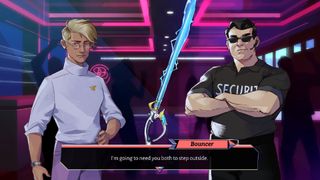
On let go of earlier this month, indie date-your-swords 'mut up Young ma Donjon landed itself in a bit of hot water over a content warning fans felt didn't go far enough. Developer Kitfox would eventually update the warning, merely the mettlesome's launch issues didn't stop there.
Boyfriend Dungeon's bring out was marred by a week of talk about that saw many fans necessitate to personify allowed to opt-out of the bet on's more than sensitive subjects—namely, stalking—solely. Vocalism actor Alexander Gross, who played the antagonist at the centre of Boyfriend Keep's awkward themes, reported being conveyed hate chain armor for playacting the case.
It's hapless that much of this molestation didn't come from the usual suspects, but from ostensibly increasing, queer players. But speaking to queer artists and game developers over the last hebdomad, that response wasn't altogether unsurprising.
"When [Boyfriend Keep] came out, I watched a lot of streams of people enjoying the game," a queer Kitfox employee WHO asked to stay anonymous told me via email. "People were having fun, but it was arsenic if I was looking something, looking for the moment where I was going to be told we did something wrong. And then that happened."
The Kitfox employee stressed that their experience wasn't universal to other baffle developers at the studio. Just it reflected an anxiety that came up time and time once again in stories sent my way by frustrate developers, YouTubers, artists, and students over the last week. It's an anxiety (backed up up by what happened to Kitfox) that queer audiences can be particularly hostile to industrial plant made for them.
Reported to Crispy Creative founder Kylan Coats (maker of upcoming queer space opera Long Journey to an Uncertain Conclusion), that hostility isn't entirely unfounded.
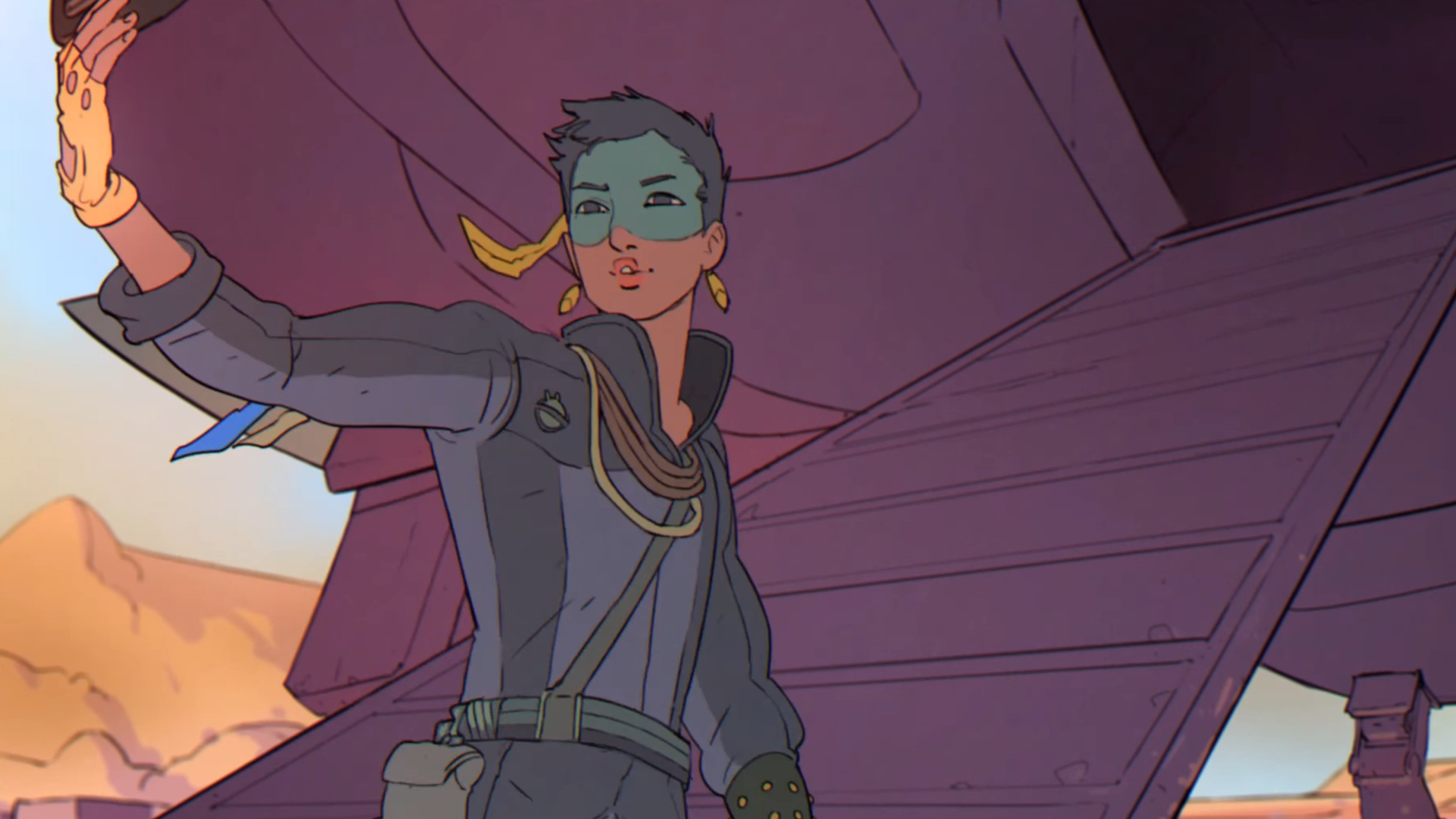
"Existing as a homophile person means growing up with trauma and pain," Coats explained. "While it's gotten easier, part of the queer experience is operative through that trauma to accept who you are. Sometimes that leftover anger and pain gets misdirected at the very creators trying to shuffle it better."
Here's the trouble, really. There are enough tropes outgoing there of queer-coded villains or drama gay couples that many unusual players just want to realise themselves represented in safer, more uplifting stories. There's value in visual perception stories where we just get to exist, without re-experiencing very personal pains over and once again.
But creating downright queer nontextual matter often means reflecting and unpacking what queerness substance to the artist—no subject how messy IT may be, or where IT may rub against other parts of the community. Coats tells of a response from a trans fan who was frustrated with the mien of a drag queen in the game's cast - later on each, drag has long been conflated with transness in messy, tough ways. But drag is a fundamental part of Coats' own though of queerness, one that matt-up too essential to omit.
"For as comprehensive arsenic we'rhenium trying to equal, at few point we had to allege, 'Look, if drag queens really bother you, this International Relations and Security Network't the game for you.'"
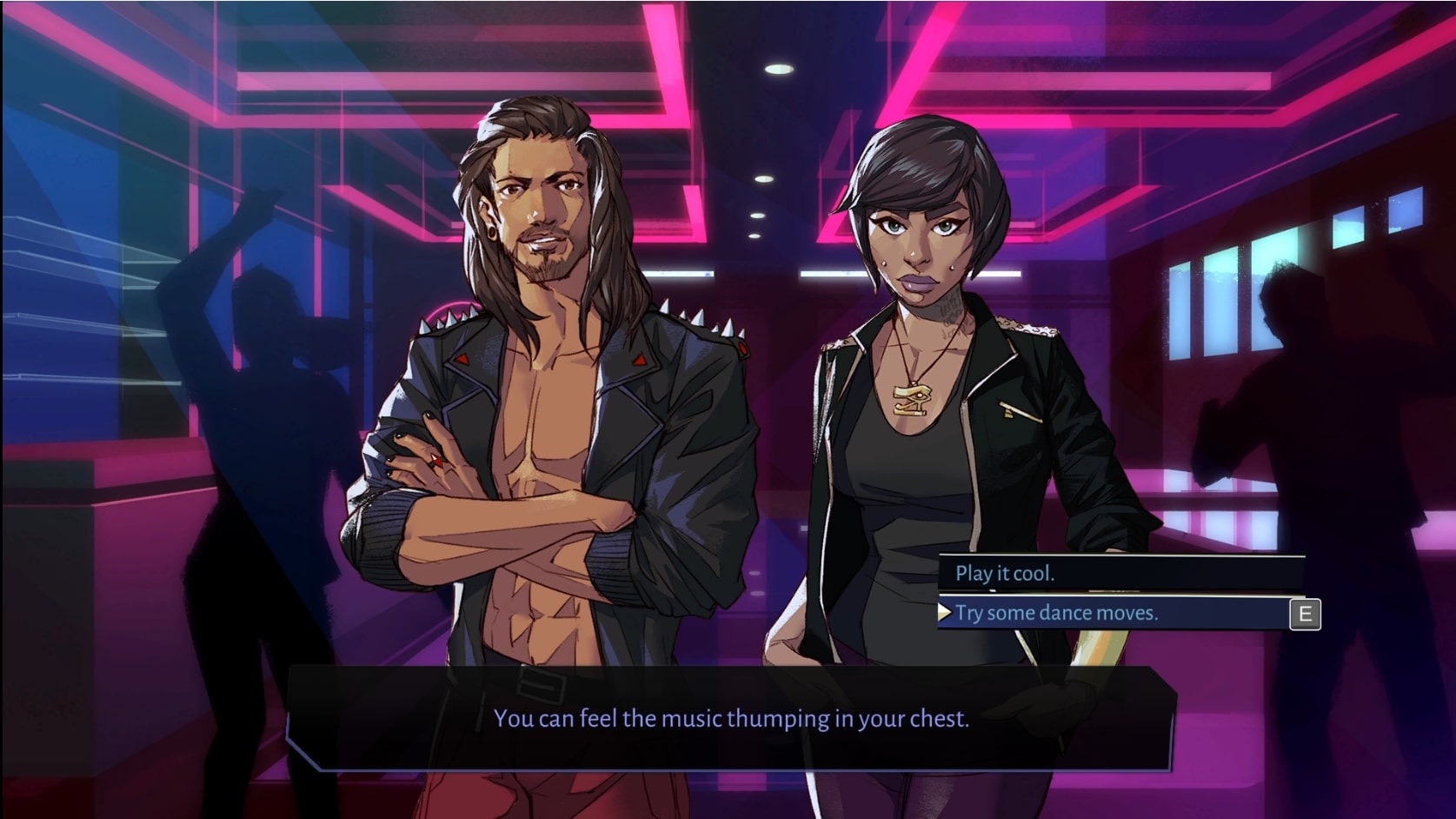
Many an developers I spoke to joint an anxiety over how their particular views of queerness would be met by wider audiences. Anecdotes of comments and messages from fans WHO felt that their representations of marginalised identities weren't "objurgate" because they didn't map to the commenter's own experience. Bisexual developers slammed as biphobic for not conforming to a taxonomic category kind of bisexuality.
This kinda response goes well beyond games, of course. Main queer artists and filmmakers hold been dealing with similar backlash for decades. Without the PR departments and marketing agencies of bigger studios, queer developers felt they were "more approachable" to aggrieved fans (from every sides of the political spectrum). When you're using a personal Twitter explanation for self-promotion, it's steely to leave those comments at work.
That accessibility ends up holding little, marginalised devs to impossible levels of scrutiny, the Kitfox developer explained. "The standard is then different from not-queer media, that even if we continue the capable of still hunt, you can click to watch Jessica Jones OR You on Netflix and there's no content warning at all.
"I thought about smaller creators that wouldn't be able to take a hit like this, I thought about creators WHO privation to form games about their personal traumas or experiences, that deal with difficult subjects. Are we not going to be competent to discuss this stuff? Or what is the disjunctive? Hygienise our work?"
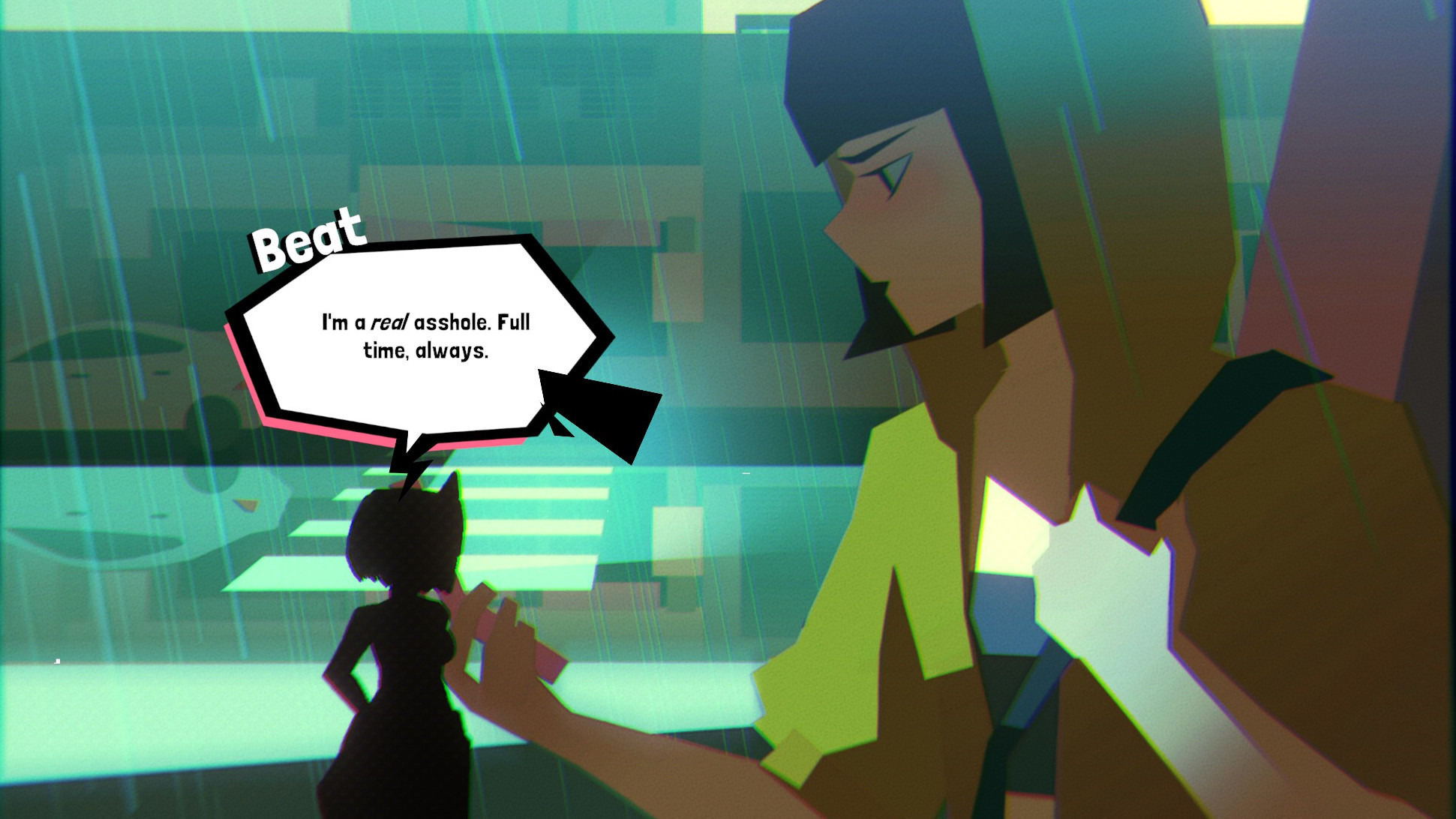
Developers I spoke to shared a common anxiousness over tackling these personalized themes in games. Fellow Dungeon isn't a heavy courageous—it's a game about flirting with medieval implements of war, after all—and even took care to launch with capacity warnings, even if they weren't quite up to bread. But the shield-shaped presence of a touchy subject like stalk saw so much virile repercussion that information technology's given plenty of developers interruption.
"Boyfriend Dungeon makes information technology very clear that for a deal of us indie teams, information technology's damned if you do and lost if you don't," aforesaid Unbeatable producer Jeffrey Chiao. "I get word the general sentiment that people are tired of pou stories featuring characters going through hardship, and I understand wherefore. At the same time, it fitting makes me feel like I'm devising something that they'd believe damaging, and I'm afraid of how the great unwashe will respond to that."
For a lot of us indie teams, information technology's damned if you behave and damned if you assume't.
Jeffrey Chiao, D-Cell Games
The line, for a lot of developers, comes when aggrieved players start devising demands for nance works to be something they're not. For Boyfriend Dungeon to remove a plot-critical character and arc. For in that location to not just be content warnings, but toggles to remove stories and characters and topics from games entirely. To sanitize them, effectively.
"Boyfriend dungeon verified that there's a growing trend of people WHO are pushing hard for people to make works that provide to specifically them, even when they reckon they'atomic number 75 pushing for the greater good and for all works to be more condom. you can't relieve oneself something that's personal to you without IT probably hurting someone - that's the human experience."
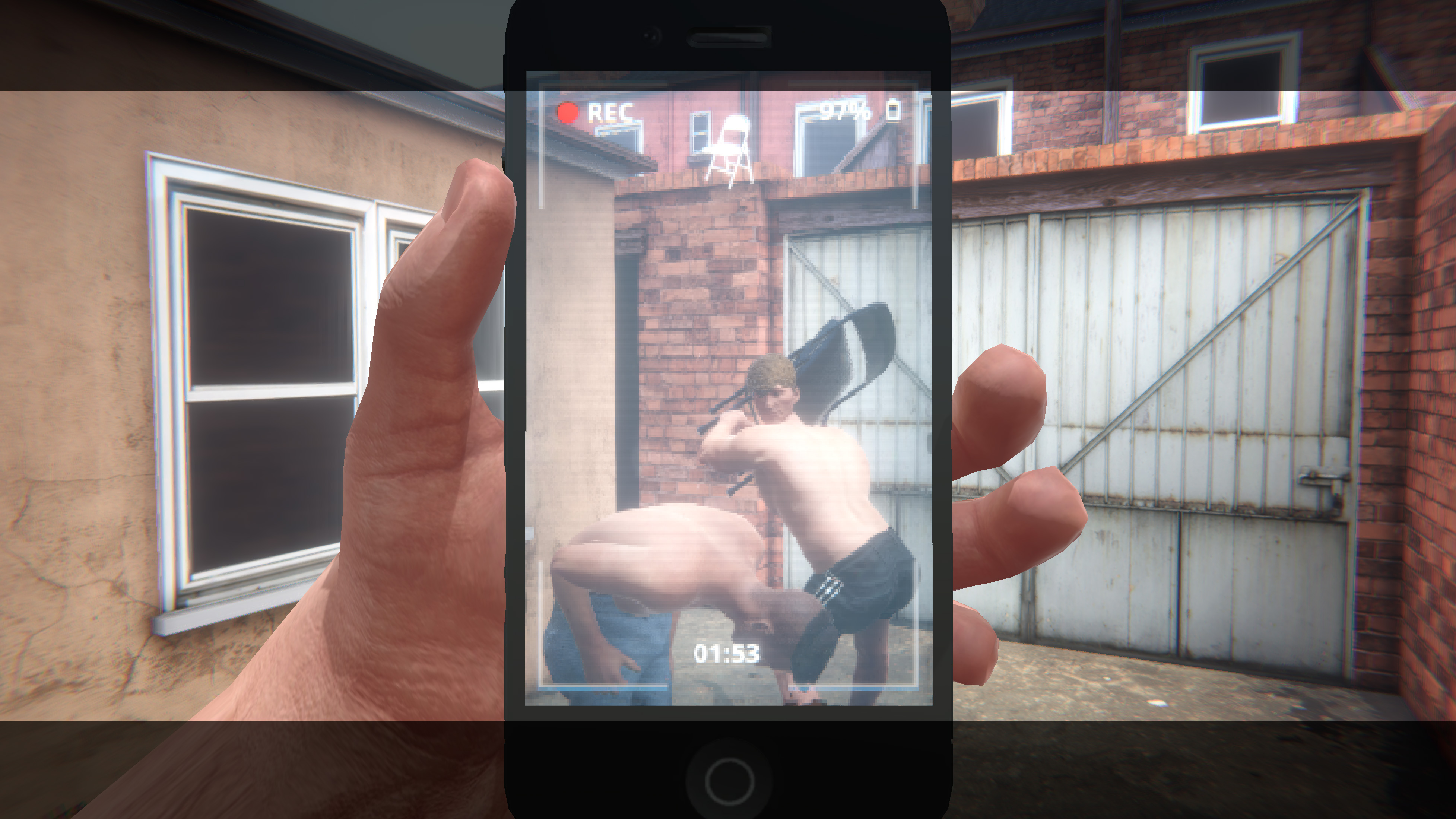
Robert Yang, an faculty member and game developer who has ofttimes seen his games barred from Nip, feels the discourse round whether games should tackle themes equal stalk is ultimately reductive, and distracts us from talk about whether they tackle them healed (though, in agreement with QGCon co-organiser Kaelan, he feels Swain Dungeon doesn't).
"There are more criticisms to be made of any work, and the content warning decidedly could've been more faithful, and maybe even the narrative / game design could've dosed the subject major," said Yang. "Just harassing developers and demanding huge changes to the design and its conception - that's some eldritch consumerist gamer entitlement getting intermingled in with valid concern about safety, which is what makes this conversation so fraught.
"Queer audiences have been conditioned to fixate connected crumbs - so when an indie dev offers thousands of crumbs, or even a unit damn sandwich, then that fixation explodes. Information technology's difficult to disentangle this knot. In person, I think Kitfox has taken real steps, and I hope the mob de-escalates too."
Better touch off warnings (something Yang describes American Samoa "deeply imperfect stop-gaps") International Relations and Security Network't the root to this, such as better communication and conversation around what it substance to create and consume queer art. To recognise that queerness is messy and personal in ways that testament always distort representation. And perhaps most importantly, to recognise that sometimes a game might just not be for you—even if you were quite stirred by the prospect of smooching a hot non-binary scythe.
"I'm optimistic that there's a fashio forward from all this, but it'll take a pot of thinking to figure outgoing what that is. Meanwhile, get's try to be more patient with each opposite."
20 years ago, Nat played Jet Exercise set Radiocommunication Forthcoming for the commencement time—and she's not stopped intelligent about games since. Connection PC Gamer in 2020, she comes from three days of freelance coverage at Rock Paper Scattergun, Waypoint, VG247 and more. Embedded in the European indie setting and having herself industrial critically acclaimed small games like Can Androids Pray, Nat is always look for a new curiosity to scream about—whether it's the next best indie beloved, or only someone modding a Scotmid into Black Table. She's also played for a competitive Splatoon team, and unofficially appears in Apex Legends under the pseudonym Horizon.

Source: https://www.pcgamer.com/the-boyfriend-dungeon-backlash-was-nothing-new-for-queer-games/
Posted by: pereztheince.blogspot.com
0 Response to "The Boyfriend Dungeon backlash was nothing new for queer games | PC Gamer - pereztheince"
Post a Comment